PAYMENTS
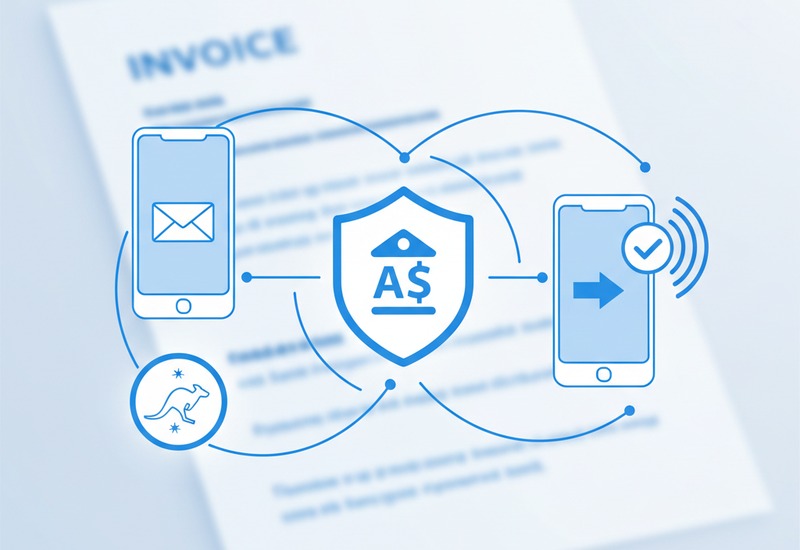
What Is PayID? How Australians Send and Receive Money Using an Email, Mobile Number or ABN
PayID Is an Address, Not an Account
The most important thing to understand about PayID is what it is not. A PayID is not a bank account. It does not hold money. It does not replace your bank account. It is simply a pointer — a memorable address that directs payments to your underlying bank account.
Think of PayID like a domain name for your bank account. When you type "google.com" into a browser, the Domain Name System translates that human-friendly name into a server IP address. PayID works in a similar way — it translates an easy-to-remember identifier like your mobile number or email address into your BSB and account number. The bank continues to manage your account, your funds and your transactions exactly as before.
Types of PayID
PayID supports several identifier types, though not all are offered by every financial institution:
- Mobile number: The most common type. Your Australian mobile number becomes your payment address. This is ideal for personal payments — splitting a dinner bill, paying a tradie or receiving rent from a flatmate.
- Email address: Particularly useful for businesses. A business can register [email protected] as its PayID, making it easy for customers to pay without looking up BSB and account details.
- ABN (Australian Business Number): Available through some banks for registered businesses. An ABN-linked PayID reinforces that a payment is going to a registered Australian business, adding a layer of trust.
- Organisation identifier: Used by larger organisations and government agencies, often linked to their registered business name or entity identifier.
Each PayID can be linked to only one bank account at a time. If you change banks, you can typically move your PayID to your new account through your new financial institution's registration process.
How Sending Money to a PayID Works
The process is straightforward but involves several behind-the-scenes steps:
- The payer enters the PayID. In their banking app, they type the recipient's mobile number, email address or ABN instead of a BSB and account number.
- The bank resolves the PayID. The NPP's addressing service looks up the PayID and identifies the linked bank account. This happens in real time.
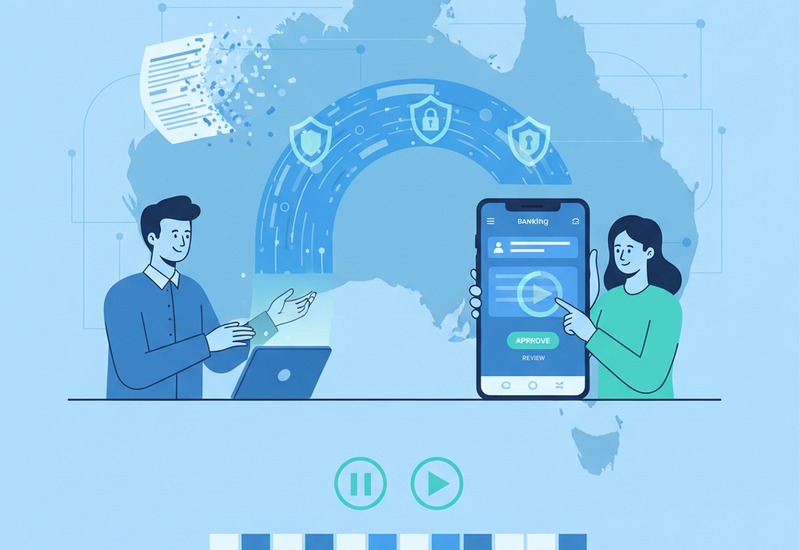
- The registered PayID name is displayed. Before the payer confirms, their banking app shows the name registered to that PayID — for example, "Cameron McKean" or "Confidia Pty Ltd." This is a critical verification step.
- The payer verifies and confirms. The payer checks that the displayed name matches who they intend to pay, then confirms the amount.
- The payment is sent through the NPP. The funds move via Osko through the NPP and are typically available in the recipient's account within seconds.
Consumer Uses
PayID makes everyday payments simpler:
- Paying a friend back for dinner without asking for their BSB and account number.
- Receiving a reimbursement from a colleague.
- Paying a local service provider such as a gardener, cleaner or tutor.
- Sending rent or shared household expenses to a flatmate.
- Paying a small business that has registered their mobile number or email as a PayID.
Business Uses
PayID is not only for person-to-person payments. Businesses can benefit in several ways:
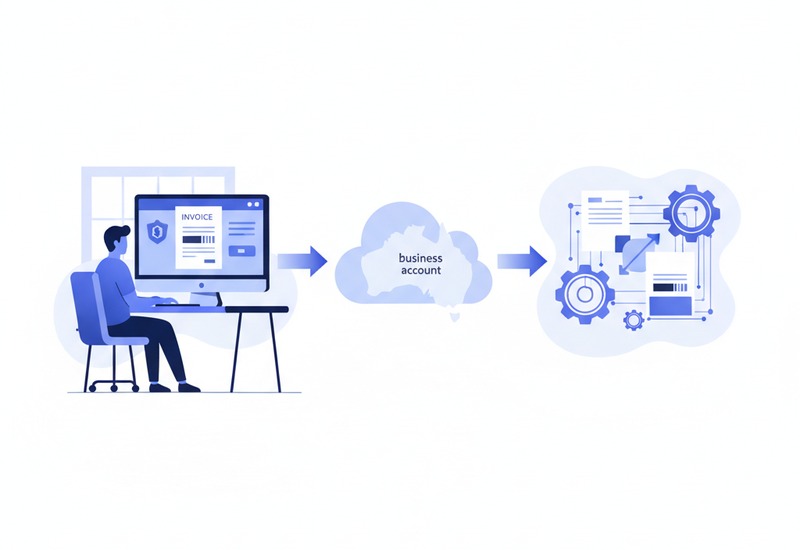
- Receiving invoice payments: Include your business email PayID on invoices so customers can pay instantly without typing account details.
- ABN-linked PayID: An ABN PayID tells customers they are paying a registered Australian business, which can increase trust and reduce payment errors.
- Customer reconciliation: Some businesses use unique or dynamically generated PayIDs to automatically identify which customer or invoice a payment relates to, reducing manual matching work.
- No need to publish BSB and account details: A PayID is more memorable and less error-prone than a 6-digit BSB and 9-digit account number.
- Receiving funds outside business hours: PayID payments travel through the NPP, which operates 24/7, meaning payments can arrive on weekends and public holidays.
PayID Security
The displayed name verification is a valuable security feature, but it has limitations that consumers should understand:
- The displayed name helps verify you are paying the intended recipient — it confirms who registered that PayID with their bank.
- A matching name does not prove that a seller is honest or that goods or services will be delivered. It only confirms the identity registered with the financial institution.
- Customers should remain alert to marketplace and impersonation scams. A scammer can register "CONFIDIA LTD" as their PayID name even if they have no connection to the real company.
- A genuine bank will never require you to "upgrade," pay a fee, or take any special action to receive a PayID payment. Any request of this nature is a scam.
- If you receive an unexpected PayID payment request, verify it independently before sending money — for example, by calling the person or business on a known phone number.
PayID Versus Osko
These terms are often used interchangeably but refer to different things:
- PayID identifies where the payment should go. It is the addressing service.
- Osko is the service that transports the fast payment. It is the payment service visible in your banking app.
- NPP is the infrastructure beneath both — the rails on which the payment messages and settlement travel.
You can send an Osko payment using either a PayID or a BSB and account number. PayID and Osko work together but perform different functions.
Continue Learning About Australia's Domestic Payments System