17 Aug 2026
18 August, 2026
Tuesday
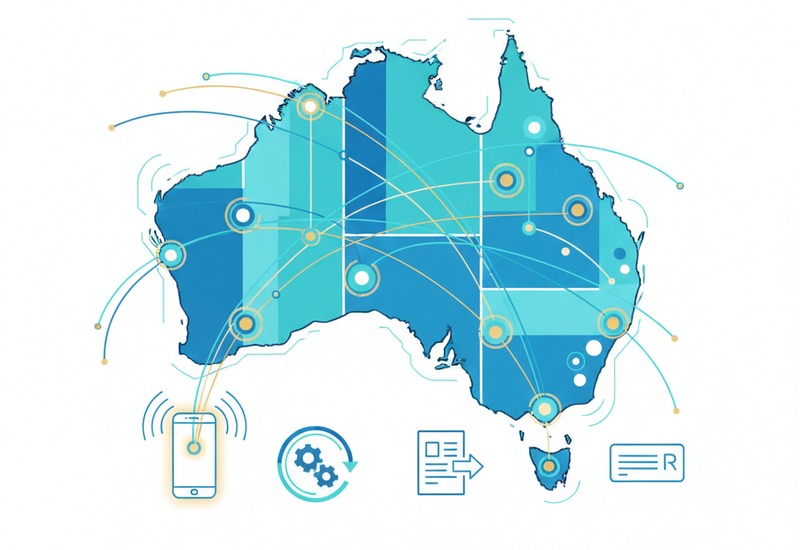
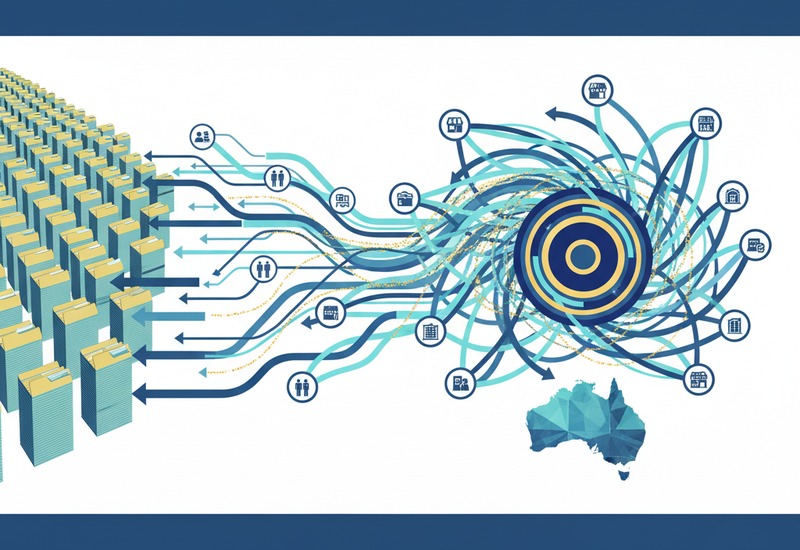
Australia is moving from older batch-based payment processing towards payment infrastructure that operates 24 hours a day, seven days a week. For decades, electronic payments between Australian bank accounts relied on the Bulk Electronic Clearing System (BECS), commonly known as Direct Entry. Payments were collected throughout the day, processed in batches overnight, and settled the following business day. A payment sent on Friday evening might not reach the recipient until Tuesday morning.
That world is changing. Australia now operates one of the world's most advanced domestic real-time payment systems. The New Payments Platform, or NPP, was launched in February 2018 and has since grown to process nearly two billion real-time payments annually. For Australian consumers and businesses, this means faster access to funds, richer payment information, and payment services that work around the clock.
But the new payment landscape can be confusing. You may have seen terms like Osko, PayID and PayTo in your banking app, or wondered how BPAY fits into this modern picture. This article is the first in a six-part educational series that explains Australia's domestic payment infrastructure in plain business language.
The New Payments Platform is Australia's fast account-to-account payment infrastructure. Think of it as the rails on which modern Australian payments run. The NPP connects participating financial institutions and allows them to exchange payment messages and settle transactions individually in real time, rather than waiting for traditional end-of-day batch processing.
Key characteristics of the NPP include:
The NPP is operated by Australian Payments Plus (AP+), which also brings together BPAY and eftpos under one organisation. AP+ is a member-owned industry body — not a government agency — that connects banks, financial institutions, businesses, government agencies and fintechs across Australia.
Osko is the fast payment service that most Australians experience when they make an instant bank transfer. It is a service that operates through the NPP infrastructure. When you log into your online banking and select "Pay Anyone" or a similar option, and the funds arrive in the recipient's account within seconds — that is typically an Osko payment.
Osko payments can be made using either a PayID (such as a mobile number or email address) or conventional BSB and account number. The service is branded differently by each bank — you may see it labelled as "Fast Payment," "Instant Transfer," or simply "Osko" — but it all works through the same underlying NPP infrastructure.
PayID is an addressing service. It links your bank account to an easy-to-remember identifier — such as your mobile number, email address, ABN or organisation identifier. Instead of sharing your BSB and account number, you can simply tell someone "pay me at 0400 123 456" or "send it to [email protected]."
Critically, a PayID is not a bank account. It does not hold money. It is simply a pointer to your underlying account. When someone sends money to your PayID, the payment is routed through the NPP to your linked bank account. The PayID name is displayed to the payer before they confirm, helping them verify they are paying the right person or business.
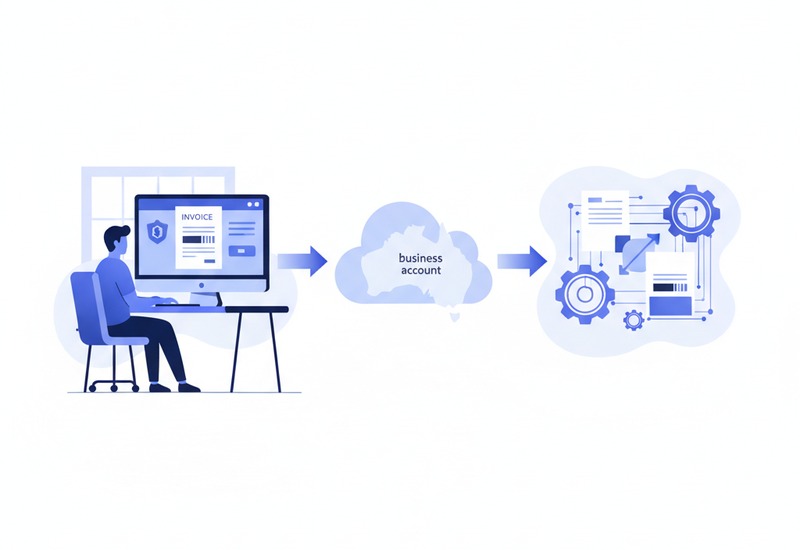
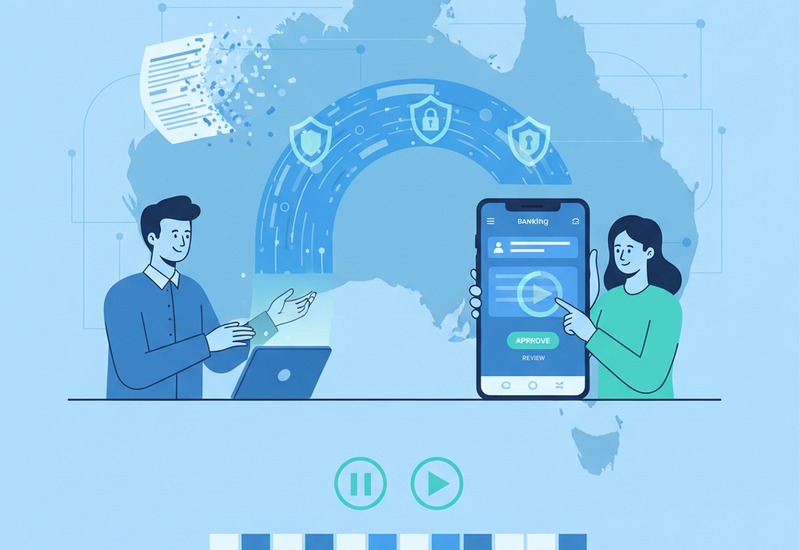
PayTo is a digital payment agreement and initiation service. It allows a business or organisation to create a proposed payment agreement that the customer reviews and authorises through their online banking. Once authorised, the business can initiate payments according to the agreed terms — whether one-off, ad hoc or recurring.
PayTo is designed to modernise and progressively replace many traditional direct debit use cases. Unlike a conventional direct debit, where a customer may have limited visibility over stored authorities, PayTo agreements are visible in online banking and can be managed — paused, resumed or cancelled — by the customer at any time.
BPAY is Australia's established domestic bill-payment system. Operating since 1997, BPAY allows customers to pay bills through their existing online banking service using a Biller Code (which identifies the business) and a Customer Reference Number, or CRN (which identifies the customer, account or invoice).
BPAY is a separate payment scheme from the NPP. It predates the NPP and was designed specifically for bill payments and invoice reconciliation. BPAY, eftpos and NPP Australia were brought together under Australian Payments Plus in 2022, creating a unified domestic payments organisation.
| Service | Primary Function | Who Starts the Transaction? | Common Use |
|---|---|---|---|
| NPP | Underlying infrastructure | Not applicable | Moving account-to-account payments |
| Osko | Fast transfer service | Payer | Immediate bank transfers |
| PayID | Account-addressing method | Payer uses recipient's PayID | Sending and receiving money |
| PayTo | Digital payment agreement and initiation service | Business proposes; customer authorises | Recurring, ad hoc and one-off payments |
| BPAY | Bill-payment service | Customer | Paying invoices and bills |
Australia benefits from locally operated payment infrastructure with Australian governance, common domestic standards, and settlement through the Reserve Bank. The NPP, BPAY and eftpos are all operated by AP+, which is accountable to Australian regulators including the Reserve Bank, Treasury and the Australian Competition and Consumer Commission (ACCC).
This domestic capability means Australian account-to-account payments do not need to pass through international card networks or foreign payment rails. It strengthens Australia's ability to design payment systems around the needs of Australian consumers, businesses and public policy — rather than adapting to standards set overseas. It does not mean Australia has eliminated all international financial technology, and AP+ is not government-owned. But it does mean that the core domestic payment infrastructure serving Australian bank accounts is operated, governed and settled locally.
This overview is the first article in a six-part series. Continue reading to understand each service in detail: